

Active floor vibration control for healthcare environments
CALMFLOOR protects the performance of your building so healthcare teams can protect the lives within it
Protect patient comfort, clinical precision and high-value equipment with CALMFLOOR.
Hospitals, clinics and specialist medical centres depend on stable floors to protect patient wellbeing and safeguard the accuracy of sensitive clinical equipment. Yet, modern clinical buildings are lighter, more flexible and more open plan. These characteristics increase exposure to low-frequency floor vibration, which can seriously impact patients, staff and critical medical systems.
CALMFLOOR active mass dampers (AMD) deliver precise, multi-frequency floor vibration control with no structural intervention and zero downtime, securing stability in mission-critical clinical environments where continuity of care is non-negotiable.

Causes of floor vibration in healthcare buildings that test the limits of structural performance
Healthcare facilities, including hospitals, clinics, walk-in centres, welfare environments, contain many internal and external sources of vibration. These interact with long spans, lightweight floors and flexible structural systems, creating environments where low-frequency floor vibration frequently exceeds acceptable clinical thresholds.
Human movement and footfall
Healthcare buildings operate at high density. Corridors, waiting rooms and wards experience continuous footfall from staff, visitors and patient transport. Simultaneous human movement in crowded corridors significantly increases floor vibration, especially in modern steel and composite floors with lower natural frequencies.
Rolling equipment and dynamic loads
Beds, trolleys, IV poles and mobile medical devices introduce repetitive dynamic loads that travel along floor plates. These wheeled movements generate higher-frequency vibration components that transmit into wards, laboratories and clinical rooms, often causing fixtures to rattle or oscillate.
Sensitive equipment and building systems
Mechanical plants, HVAC equipment and pumps generate structure-borne vibration that travels through slabs, ceiling grids and wall partitions. Without damping, this vibration reaches imaging rooms, labs and patient areas, creating instability and secondary noise.
External environmental sources
Road traffic, construction activity and nearby rail lines introduce ground-borne vibration that propagates directly into hospital buildings. Even low-level external vibration compromises imaging and laboratory accuracy when amplified by flexible floors or long-span structures.
Modern construction methods
Contemporary hospitals increasingly use lightweight, open-plan, multi-storey designs. These deliver flexibility but reduce floor stiffness and increase susceptibility to resonance from clinical activities. Healthcare floors must meet far stricter comfort and equipment criteria than commercial buildings to avoid perceptible vibration or equipment degradation.
These causes combine to create environments where floor vibration is both frequent and clinically significant. Controlling floor vibration is essential to protect patient comfort, safeguard equipment accuracy and maintain compliance across healthcare facilities.
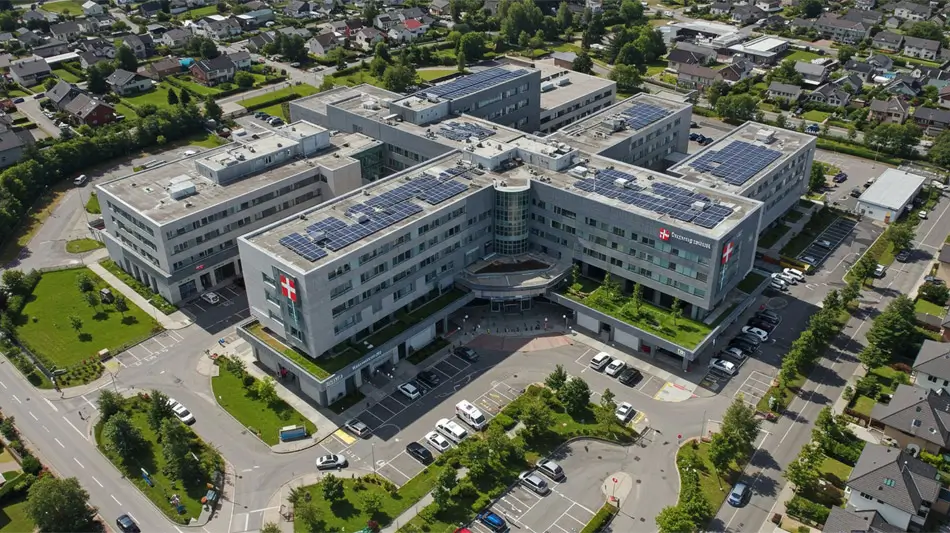
How problematic floor vibration affects healthcare environments
Healthcare buildings face some of the most stringent vibration requirements of any sector; even minor floor movement can compromise patient comfort, impact diagnostic accuracy and disrupt critical workflows.
Problematic floor vibration affects healthcare environments in several ways.
Patient wellbeing
Patients are susceptible to low-frequency vibration. Vibrations near human perception thresholds can increase anxiety, disturb sleep and reduce comfort in wards and treatment spaces.
Clinical equipment accuracy
Imaging suites require tight VC-class floor vibration limits. MRI units experience image artefacts at vibration levels that are well below human perception, often around 3 to 6 micrometres per second. Surgical robotics, microscopes, microbalances and sequencing machines all lose precision when floors lack stability.
Staff concentration and precision
Problematic floor vibration reduces cognitive focus, fine motor control and visual stability. Environmental vibration is linked to slower task completion, fatigue, distraction and increased error risk in high-focus clinical tasks. Overcrowded corridors and high-traffic wards exacerbate this through increased footfall-induced vibration.
Compliance risk
Healthcare standards set stringent performance limits for patient rooms, imaging suites and theatres. FGI and NHS guidelines require peak velocities well below 0.15mm per second in patient and procedure spaces. Non-compliant floors restrict operational capacity and reduce the long-term value of clinical estate assets.
These challenges demand a precise, non-disruptive approach to floor vibration control. CALMFLOOR delivers that control instantly.

Instant floor vibration control without disruption
CALMFLOOR active mass damper (AMD) technology provides healthcare estates with precise control over low-frequency floor vibration. Each compact AMD weighs 67kg (148lbs) and provides targeted multi-frequency control exactly where the floor needs it. Installation takes hours and requires no structural change at all. No columns. No steel. No added concrete. No downtime. Hospitals remain fully operational and patient care continues uninterrupted.
Simulation-led placement identifies vibration hotspots across diagnostic suites, wards, laboratories and high-traffic areas. CALMFLOOR actively manages floor vibration at its source to safeguard sensitive equipment, maintain comfort and support uninterrupted clinical workflows. Unlike traditional structural solutions, CALMFLOOR has far less embodied carbon and supports Net Zero strategies across healthcare estates.
Ideal for:
- Operating theatres
- Surgical robotics suites
- Microbiology, pathology and diagnostic laboratories
- Wards and patient recovery areas
- Specialist private clinics and imaging centres
- High-traffic corridors and waiting areas
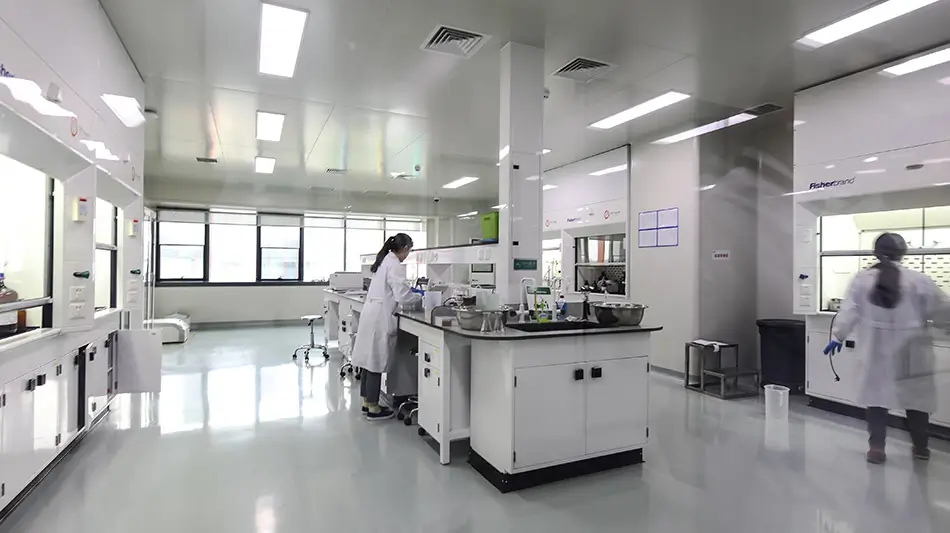
Protect clinical accuracy, compliance and patient wellbeing
Healthcare buildings must support clinical precision, regulatory compliance and a calming patient experience. CALMFLOOR delivers these outcomes simultaneously.
By controlling floor vibration at source, CALMFLOOR safeguards imaging accuracy, laboratory performance and the precision required in robotic surgery. Patients benefit from quieter, calmer environments where vibration-induced anxiety, noise and sleep disturbance are minimised. Clinical staff experience improved concentration, steadiness and overall comfort in high-pressure environments.
CALMFLOOR protects operational continuity. Clinical suites maintain compliance with strict VC-class and healthcare vibration criteria. Sensitive equipment functions without repeated recalibration. Estates teams avoid costly retrofitting or downtime. Healthcare assets retain long-term value as floors remain suitable for advanced imaging, laboratory equipment and future clinical upgrades.
Why CALMFLOOR?
- Reduces floor vibration by up to 90%
- Lightweight 67kg (148lbs) AMDs install in hours
- No structural intervention and no downtime
- Simulation-led placement ensures targeted precision
- Enhances accuracy of imaging, robotics and laboratory devices
- Improves patient comfort and reduces environmental stress
- Relocatable units adapt as layouts and service needs evolve
- CALMCONNECT smart portal provides real-time performance insights
- Lower embodied carbon to support Net Zero clinical estates

Precision in care requires precision underfoot
CALMFLOOR empowers healthcare estates and hospitals to deliver precise care, undisrupted by problematic floor vibration or structural compromise.
Active floor vibration control in healthcare settings ensures clinical equipment performs at its highest standard. Patients experience calmer, more comfortable spaces. Staff work with improved focus and reduced fatigue.
Healthcare facilities achieve dependable compliance, long-term resilience and lower embodied carbon.